The Maker Behind The Viet Potter
Huy Pottery Workshop in Bat Trang, Vietnam
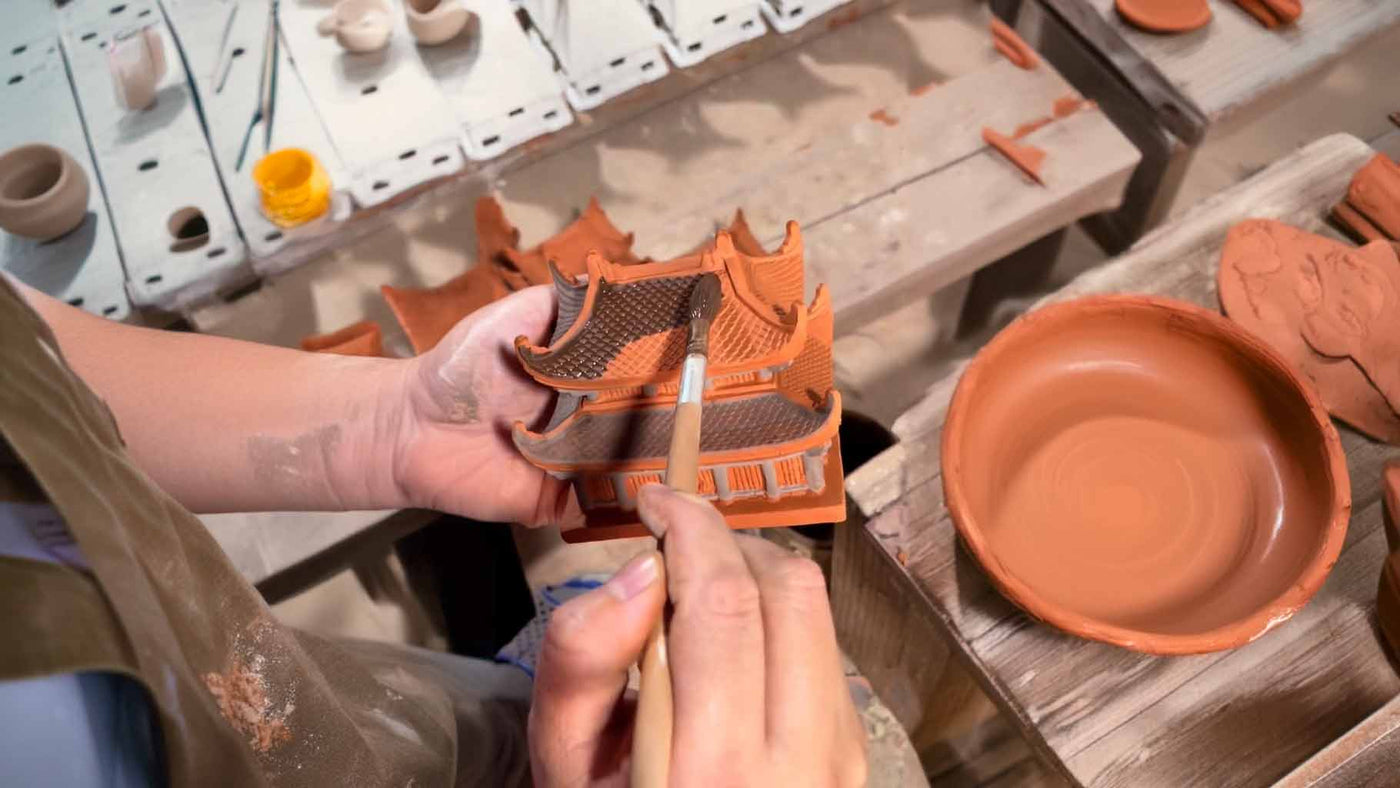
The Viet Potter works with Huy Pottery Workshop to create the handmade ceramic figurines behind our bonsai collections. This page shows where the pieces come from, who makes them, and why that source matters to the character and credibility of the work.
Workshop source
Meet the Workshop Behind the Pieces
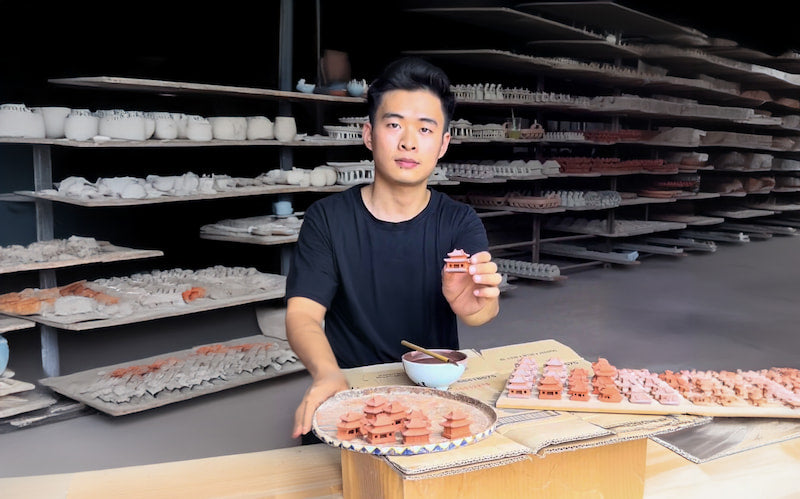
Huy Pottery Workshop is led by Duc, a Bat Trang ceramic maker with family roots in the craft. His workshop gives The Viet Potter’s ceramic figurines a clear making source, not just a handmade label.
-
Bat Trang Roots
Duc was raised in a place where ceramic making is part of daily working life, not just a story added after the fact.
-
Hands-On Workshop Leadership
The workshop is tied to real ceramic production, from shaping to finishing.
-
A Clear Making Source
For buyers, this means the pieces come from a specific workshop, not an anonymous supply chain.
That source shapes how the pieces feel, from surface character to bonsai display fit.
Why the source matters
Why This Workshop Matters to the Pieces
A real workshop source does more than give the brand a story. It affects the material feel, surface character, and display presence of the ceramic pieces buyers receive.
-
Material Character
The ceramic foundation gives the figurines a grounded look and feel, with a clearer material identity than anonymous mini decor.
-
Handmade Surface Detail
Small differences in form, surface, and finish come from real handwork. These details help the pieces feel less artificial inside a bonsai scene.
-
Display-Ready Presence
The best pieces are not just small objects. They sit with trees, rocks, moss, and open space in a way that feels more intentional.
That is why material and process matter here — not as background lore, but as part of what the buyer actually receives.
Material proof
Bat Trang Clay, and Why It Matters
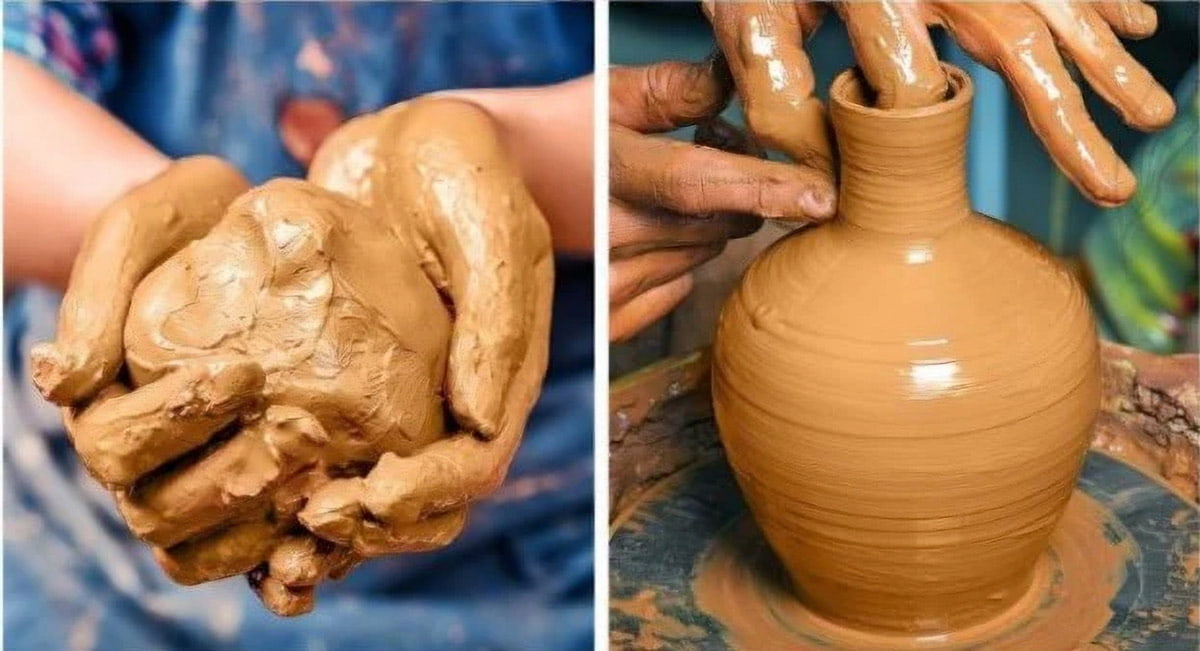
The character of these ceramic pieces starts with the material. Clay shaped and fired in a Bat Trang making context gives the figurines an earthy tone, grounded feel, and natural presence in bonsai displays.
-
Clear Ceramic Identity
A ceramic base gives each piece a more specific look, feel, and source.
-
High-Fired Ceramic
High-temperature firing turns clay into durable ceramic with a solid finished feel.
-
Natural Fit for Bonsai Displays
The weight, texture, and earthy tones sit naturally beside trees, rocks, moss, and soil.
Material is only part of the proof. The making process matters too.
Making process
How the Pieces Are Made
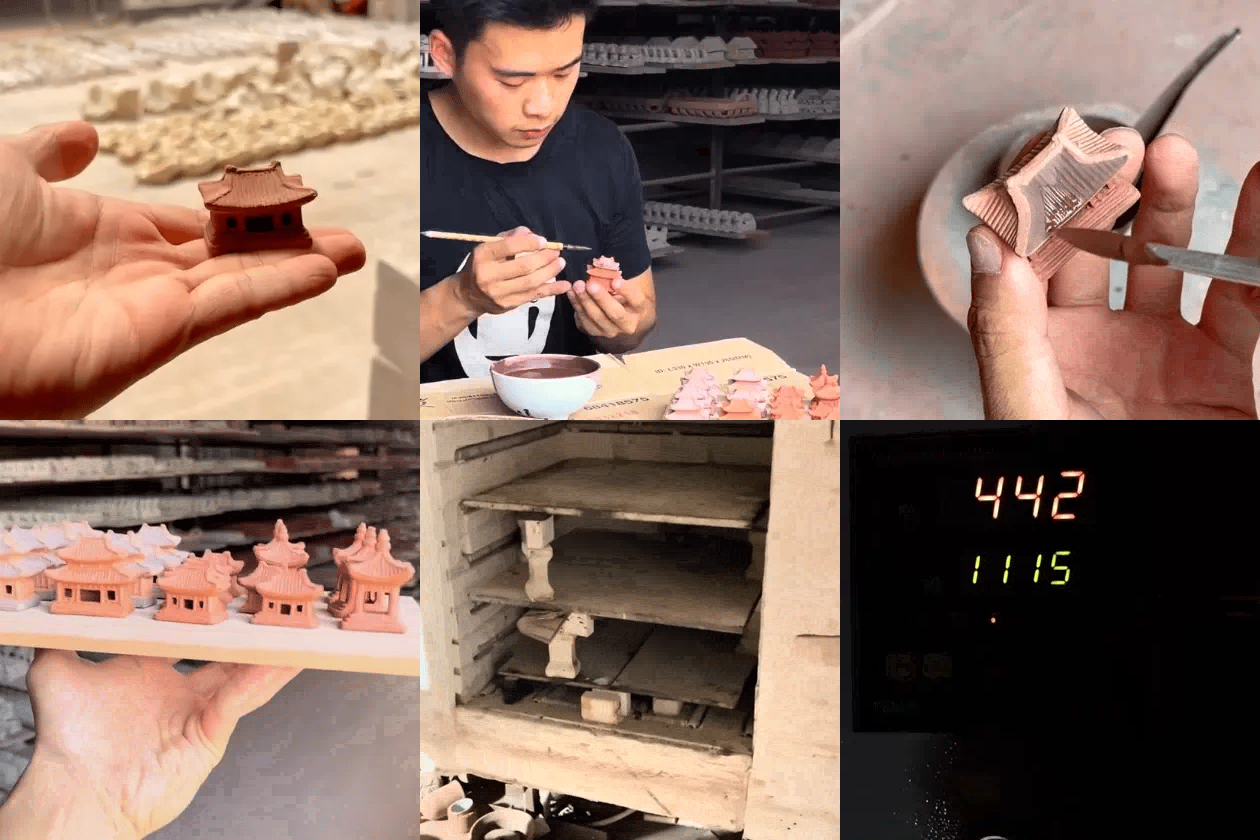
Each figurine goes through a real making process before it reaches the final collection. Form, surface, and finish are shaped through deliberate hands-on work.
-
Shaping the Form
Original forms and mold work give each piece its core structure and proportions.
-
Refining the Details
Careful drying and high-temperature firing turn shaped clay into finished ceramic.
-
Drying and Firing
Careful drying and high-temperature firing turn shaped clay into finished ceramic, helping create both durability and surface character.
That process is why handmade variation can feel natural and controlled — not careless.
Handmade expectations
Handmade Character, with Real Control
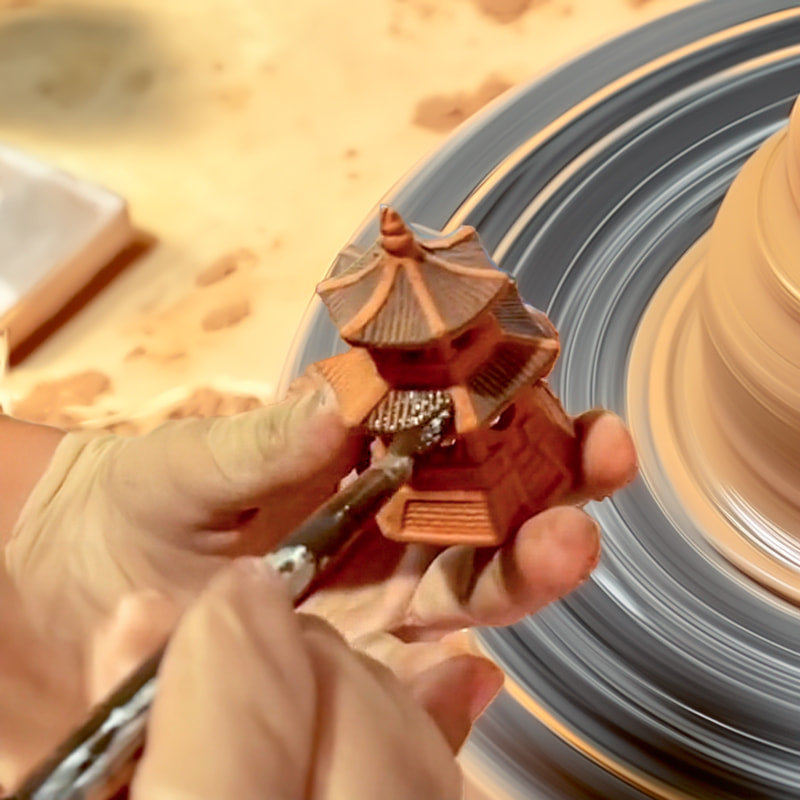
Small variations are part of real handmade ceramic work. Each piece is still refined with care before it reaches the collection.
-
Natural Variation
Small differences in surface and finish give the pieces a less factory-made feel.
-
Refined by Hand
Each piece is cleaned, shaped, and checked before it becomes part of the final collection.
-
Made to Feel Intentional
The goal is not perfect sameness. It is a piece that feels balanced and believable in a bonsai display.
That balance between handmade character and controlled making is part of the workshop standard behind the pieces.
Workshop standards
Workshop Standards Behind the Pieces
Handmade work does not mean loose production. At Huy Pottery Workshop, forming, refining, drying, and firing follow a practical sequence that helps each piece feel considered, finished, and ready for display.
-
Controlled Firing
High-temperature firing is part of what turns shaped clay into solid ceramic, helping give each piece a more reliable finished feel.
-
Production Discipline
The work is hands-on, but not random. Each piece moves through shaping, refining, drying, and firing before it becomes part of the collection.
-
Consistent Finishing
Small handmade variation remains, but the final piece should still feel balanced, intentional, and ready for a bonsai display.
These standards help turn handmade craft into pieces buyers can understand, trust, and use with more confidence.
Community continuity
Rooted in a Real Making Community
Huy Pottery Workshop belongs to a real ceramic-making environment in Bat Trang, with people, place, and working knowledge behind the work.
-
Local Making Continuity
The workshop keeps ceramic work connected to the people and place it comes from.
-
Learning and Workshop Ties
Connections with local makers and students show this is a living workshop environment, not just a brand story.
Once the source feels real, the next step is simple: see the pieces that come out of it.
See the Pieces Behind the Process
Now that you have seen where the work comes from, start with the collection that fits the kind of bonsai scene you want to build.
-

Bonsai Decorations & Figurines
Start here for the broadest view of ceramic pieces shaped for bonsai displays.
Shop Bonsai Decor -

Mudmen Figurines
For scenes that need human presence, character, and quiet story.
Shop Mudmen -

Miniature Pagodas
A strong choice when the display needs a focal point and architectural detail.
Shop Pagodas -

Miniature Bridges
Best for bonsai landscapes that need movement, structure, and a stronger sense of place.
Shop Bridges


